
Wheel Alignment vs Wheel Balancing: Differences, Symptoms and Costs
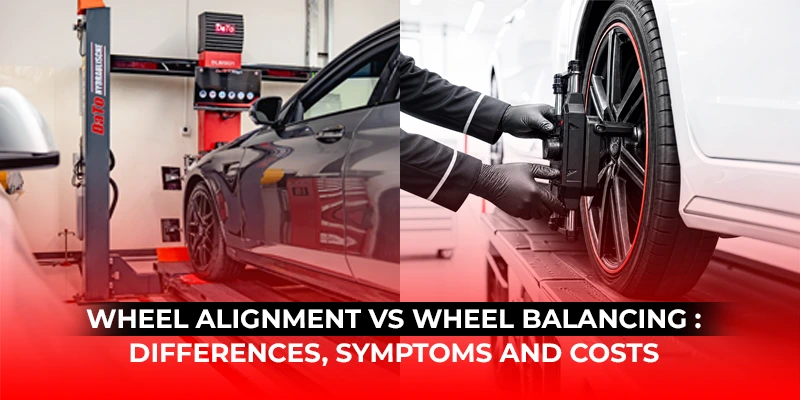
Your car’s tyres play an important role in driving comfort, handling and road safety. However, even when tyres appear to be in good condition, alignment or balancing problems can affect how your vehicle behaves on Dubai’s roads.
From a steering wheel that vibrates at higher speeds to a vehicle that drifts towards one side, these symptoms can indicate that your wheels need professional attention.
Understanding wheel alignment vs wheel balancing helps drivers recognise warning signs, avoid unnecessary tyre replacement and maintain a comfortable driving experience.
What Is Wheel Alignment?
Wheel alignment involves adjusting wheel angles according to the vehicle manufacturer’s specifications. These angles influence how tyres contact the road, how steering responds and how the vehicle travels in a straight line.
The main measurements include camber, caster and toe. Camber refers to the inward or outward tilt of a wheel, caster relates to the steering axis angle, and toe describes whether the front edges of the wheels point towards or away from one another.
When these measurements fall outside the recommended range, handling and tyre wear may be affected.
Professional wheel alignment in Dubai services use specialised equipment to measure wheel angles and make the necessary adjustments. Correct alignment supports predictable handling and helps reduce irregular tyre wear.
What Is Wheel Balancing?
Wheel balancing corrects uneven weight distribution around a wheel and tyre assembly. Even a small imbalance can cause vibrations when the wheel rotates, particularly at higher speeds.
During balancing, a technician uses a specialised machine to identify uneven weight distribution and installs small corrective weights where necessary.
A professional wheel balancing in Dubai service helps reduce vibrations felt through the steering wheel, seats or vehicle body.
Unlike alignment, balancing does not adjust wheel angles. It ensures the wheel and tyre assembly rotates more smoothly.
Wheel Alignment vs Wheel Balancing: Key Differences
Although both services contribute to a smoother driving experience, they address different problems.
|
Feature |
Wheel Alignment |
Wheel Balancing |
|
Purpose |
Corrects wheel angles |
Corrects weight imbalance |
|
Common symptoms |
Car pulls to one side, off-centre steering |
Vibration at certain speeds |
|
Effect on tyres |
Helps prevent uneven wear |
Helps reduce imbalance-related vibration |
|
Equipment |
Wheel alignment system |
Wheel balancing machine |
|
When needed |
After certain impacts, suspension work or alignment symptoms |
After tyre fitting or when vibration develops |
For example, a vehicle that consistently moves towards one side on a level road may need an alignment inspection. If the steering wheel vibrates at a particular speed, balancing may be necessary.
However, these symptoms can overlap with other mechanical issues. Professional inspection helps identify the actual cause.
Signs Your Car Needs Wheel Alignment
Your Car Pulls to One Side
If your car pulls to one side while driving on a level road, incorrect alignment may be responsible. You might need constant steering corrections to maintain a straight path.
However, incorrect tyre pressure, road camber, brake problems and worn suspension components can produce similar symptoms.
Uneven Tyre Wear
Uneven tyre wear is another common indication of a potential alignment issue. One edge of a tyre may wear faster than the other, or the tread may develop irregular patterns.
Incorrect wheel angles can cause tyres to contact the road unevenly, reducing their usable lifespan. Regular tyre inspections can help identify problems before premature replacement becomes necessary.
Crooked Steering Wheel
If the steering wheel remains off-centre while the vehicle travels straight, the alignment settings or steering geometry may need attention. This can also happen after suspension repairs or an impact.
Signs Your Car Needs Wheel Balancing
Car Steering Wheel Vibration
A car steering wheel vibration that develops within a particular speed range can indicate an imbalance in the front wheel assemblies.
If the rear wheels are affected, vibration may be felt more strongly through the seats or vehicle floor.
However, damaged tyres, bent rims and worn suspension components can also cause vibration. The source should be identified before corrective work begins.
Shaking at Higher Speeds
If your vehicle feels smooth at lower speeds but starts shaking as speed increases, wheel balancing is worth checking.
Balancing should also be inspected if a wheel loses a balancing weight or vibration develops after tyre servicing.
Recent Tyre Replacement
Tyres should generally be balanced whenever they are fitted or replaced. Each tyre and wheel combination has its own weight distribution, so balancing helps ensure smooth rotation.
When Do You Need Alignment, Balancing or Both?
The appropriate service depends on your vehicle’s symptoms and maintenance history.
Wheel alignment is generally recommended when the steering wheel sits off-centre, the vehicle drifts unexpectedly or the tyres show irregular wear. It is also worth checking after certain suspension repairs or significant impacts.
Wheel balancing is generally appropriate when vibrations develop at particular speeds, especially following tyre installation.
Some vehicles require both services. For example, if your car has uneven tyre wear and steering vibration, alignment alone may not resolve the vibration if the wheels are also unbalanced.
A workshop can inspect tyre condition, wheel geometry and balance to determine which services are necessary.
Wheel Alignment Cost Dubai: What Should You Expect?
The wheel alignment cost in Dubai drivers pay varies depending on the vehicle, alignment system and service requirements.
As an indicative guide, standard passenger-car alignment may cost around AED 80–150, while some SUVs, luxury vehicles and specialist four-wheel alignment services may cost AED 150–300 or more. Actual prices vary between workshops.
Factors affecting the final price include whether two-wheel or four-wheel alignment is required, the complexity of the suspension geometry and whether additional repairs are necessary.
If worn suspension components prevent accurate adjustment, they may need to be repaired first.
When comparing prices, consider the equipment used, inspection process and whether the service includes a report of the measured wheel angles.
Tyre Balancing Cost Dubai: Factors That Affect Pricing
The tyre balancing cost Dubai motorists pay depends on wheel size, vehicle type, the number of wheels and the service required.
Basic balancing may cost approximately AED 15–40 per wheel at some workshops, while larger wheels and specialist services may cost more. Confirm current rates before booking.
Damaged tyres or bent rims can also affect the process. These issues may need attention before balancing can deliver satisfactory results.
When requesting a quotation, confirm whether the price covers all four wheels and the necessary balancing weights.
How Dubai’s Road Conditions Affect Wheel Maintenance
Potholes, road debris and kerb impacts can affect wheel condition or suspension geometry.
Dubai’s hot climate also makes tyre maintenance important. Incorrect tyre pressure can contribute to abnormal wear and handling issues, although hot weather alone does not mean a vehicle needs alignment or balancing.
Check tyre pressures according to the manufacturer’s recommendations. If your vehicle experiences a significant impact, develops steering vibration or begins pulling to one side, arrange an inspection.
Why Professional Inspection Matters
Wheel alignment and balancing require different equipment and procedures. Accurate diagnosis ensures that the appropriate service is performed.
A technician can measure wheel angles, identify weight imbalances and inspect tyres, rims, steering joints and suspension components.
For example, a vibration that appears to be caused by imbalance may originate from a damaged tyre or bent rim. Similarly, a vehicle that pulls to one side may have incorrect tyre pressure or a brake-related fault.
Addressing the underlying cause is more effective than repeatedly performing adjustments without confirming the problem.
Wheel Alignment vs Wheel Balancing in Dubai: Making the Right Choice
Understanding wheel alignment vs wheel balancing helps drivers distinguish steering geometry problems from wheel rotation imbalances.
Alignment supports correct wheel angles, predictable handling and more even tyre wear. Balancing helps reduce vibration caused by uneven weight distribution.
If your car pulls to one side, the steering wheel sits off-centre or the tyres show irregular wear, consider an alignment inspection. If the vehicle vibrates at certain speeds, balancing and checks for tyre or wheel damage may be necessary.
Neither service replaces the other, and some vehicles require both.
Closing Verdict
Wheel alignment and wheel balancing serve different purposes, but both contribute to driving comfort and vehicle handling.
From identifying uneven tyre wear to investigating car steering wheel vibration, recognising the warning signs helps drivers make informed maintenance decisions.
Whether you need wheel alignment in Dubai services or wheel balancing Dubai assistance, a professional assessment can establish what your vehicle requires and help avoid unnecessary expenditure.
Keep Your Drive Smooth and Stable
If you notice unusual vibration, uneven tread wear or a car that pulls to one side, arrange an inspection before the issue develops further.
Royal Swiss Auto Service can assess your vehicle’s wheel and tyre condition and recommend suitable maintenance.
Drive with Confidence
Contact Royal Swiss Auto Service to discuss your wheel alignment and balancing requirements and receive a quotation suited to your vehicle.
Book your service today by calling 600 579 477.
FAQs: Wheel Alignment vs Wheel Balancing in Dubai
1. What is the difference between wheel alignment and wheel balancing?
Wheel alignment adjusts wheel angles to match the manufacturer’s specifications, while wheel balancing corrects uneven weight distribution in the wheel and tyre assembly. Alignment supports handling and even tyre wear, whereas balancing helps minimise vibration.
2. How do I know if my car needs wheel alignment or balancing?
If your car pulls to one side, the steering wheel sits off-centre or the tyres show uneven wear, an alignment inspection may be appropriate. Steering wheel vibration or shaking at certain speeds may indicate a balancing issue.
3. How much does wheel alignment cost in Dubai?
The cost varies by vehicle and service requirements. Standard passenger-car alignment may cost around AED 80–150, while some SUVs and specialist services may cost more. Request a quotation based on your vehicle’s specifications.
4. How much does tyre balancing cost in Dubai?
Basic tyre balancing may cost approximately AED 15–40 per wheel at some workshops. Prices depend on wheel size, vehicle type and the service required. Confirm whether all four wheels and balancing weights are included.
5. How often should I get wheel alignment and balancing checked?
Wheel balancing is generally recommended whenever tyres are fitted or replaced, or when unusual vibrations develop. Wheel alignment should be checked according to the vehicle manufacturer’s guidance and whenever you notice uneven tyre wear, off-centre steering or unexpected pulling. An inspection is also advisable after significant pothole or kerb impacts.